This isn't empty desert. The gypsum hills and creosote flats around Moe's Valley are one of the richest concentrations of rare life in Utah.
Where the Mojave Desert meets the Colorado Plateau, unusual soils create habitat found almost nowhere else. Four federally listed species are surveyed within Zone 6 - the desert tortoise, dwarf bear-poppy, Siler pincushion cactus, and Shivwits milkvetch - alongside a Gila monster at the very edge of its range, and living soil that takes a century to rebuild. Here's who shares the ground you climb, ride, and hike on.
Mojave Desert Tortoise
A desert survivor that can outlive you - and spends almost its whole life underground.
- Spends up to 95% of its life in burrows it digs itself, escaping heat that would kill it above ground.
- Can live 50-80 years, but doesn't breed until 15-20 - so a lost population takes generations to return.
- Stores water in its bladder to ride out drought. A startled tortoise may empty it, which can be fatal in the heat - never pick one up.
- Its burrows shelter dozens of other species, from owls to snakes - a true ecosystem engineer.
Dwarf Bear-Poppy
A white desert flower that grows nowhere else on Earth - only here, near St. George.
- Endemic to Washington County: its entire world range is a handful of gypsum hills within a few miles of town.
- Among the first plants ever protected under the Endangered Species Act, listed in 1979.
- Named for leaves shaped like a bear's paw, each lobe tipped with a claw-like silver hair.
- A single plant can carry 300-400 white blooms in April-May - open at dawn, shedding pollen by midday.
- It needs fragile gypsum soil crust that a single footprint can destroy for decades.
Gila Monster
One of only two venomous lizards in North America - and it helped create a modern diabetes drug.
- Southwestern Washington County is the northern tip of its entire global range; Utah's population is small and isolated.
- A compound in its venom (exendin-4) became exenatide, a medication for type 2 diabetes - wild pharmacology, literally.
- Spends ~90% of its life underground and may eat only a few big meals a year, storing fat in its tail.
- Not aggressive and rarely seen - but it's illegal to collect, harm, or move one in Utah. Give it space.
Shivwits & Holmgren Milkvetch
Two tiny pea-family wildflowers that exist almost only in this one county.
- Both were listed endangered in 2001 and cling to a few small populations on specific clay and gypsum soils.
- Shivwits milkvetch is a Washington County endemic; Holmgren barely reaches into neighboring Arizona.
- Because their whole range is so small, habitat here is disproportionately important to the species' survival.
Siler Pincushion Cactus
A knuckle-sized cactus that only the harshest gypsum soils can grow.
- A gypsum specialist of southwestern Utah and northern Arizona, crowned with pink-purple flowers in spring.
- One of the four listed species Washington County surveys for within Zone 6, with the tortoise, bear-poppy, and Shivwits milkvetch.
Living Soil Crust
Much of the "dirt" out here is alive - and it's the reason rare plants can grow at all.
- A knobby crust of cyanobacteria, lichens, and mosses holds the sand in place and fixes nitrogen that feeds the whole system.
- It grows about a millimeter a year. A single boot print or tire track can erase decades - full recovery can take a century or more.
- That's the real reason to stay on trails: the crust between them is doing quiet, irreplaceable work.
Also out here
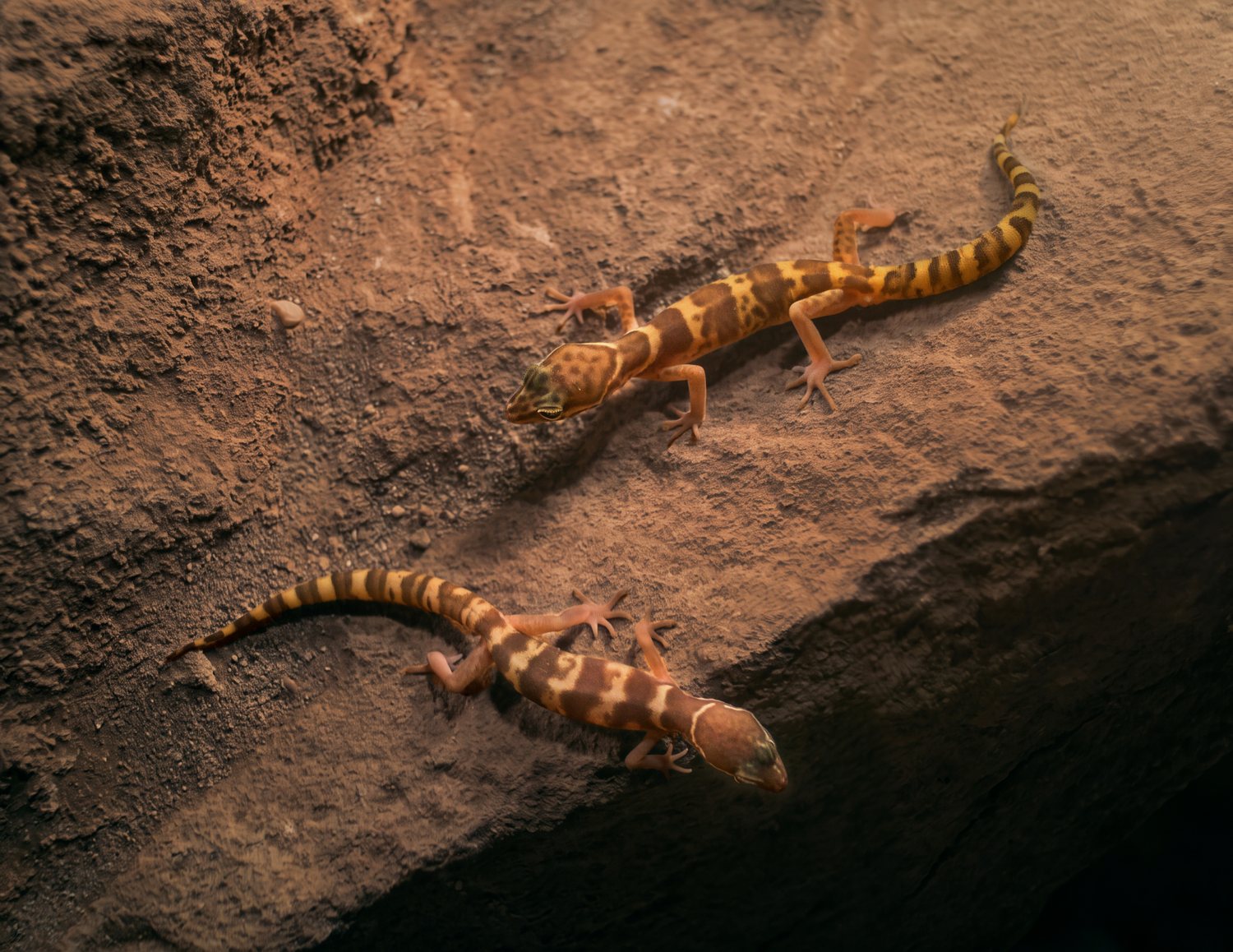
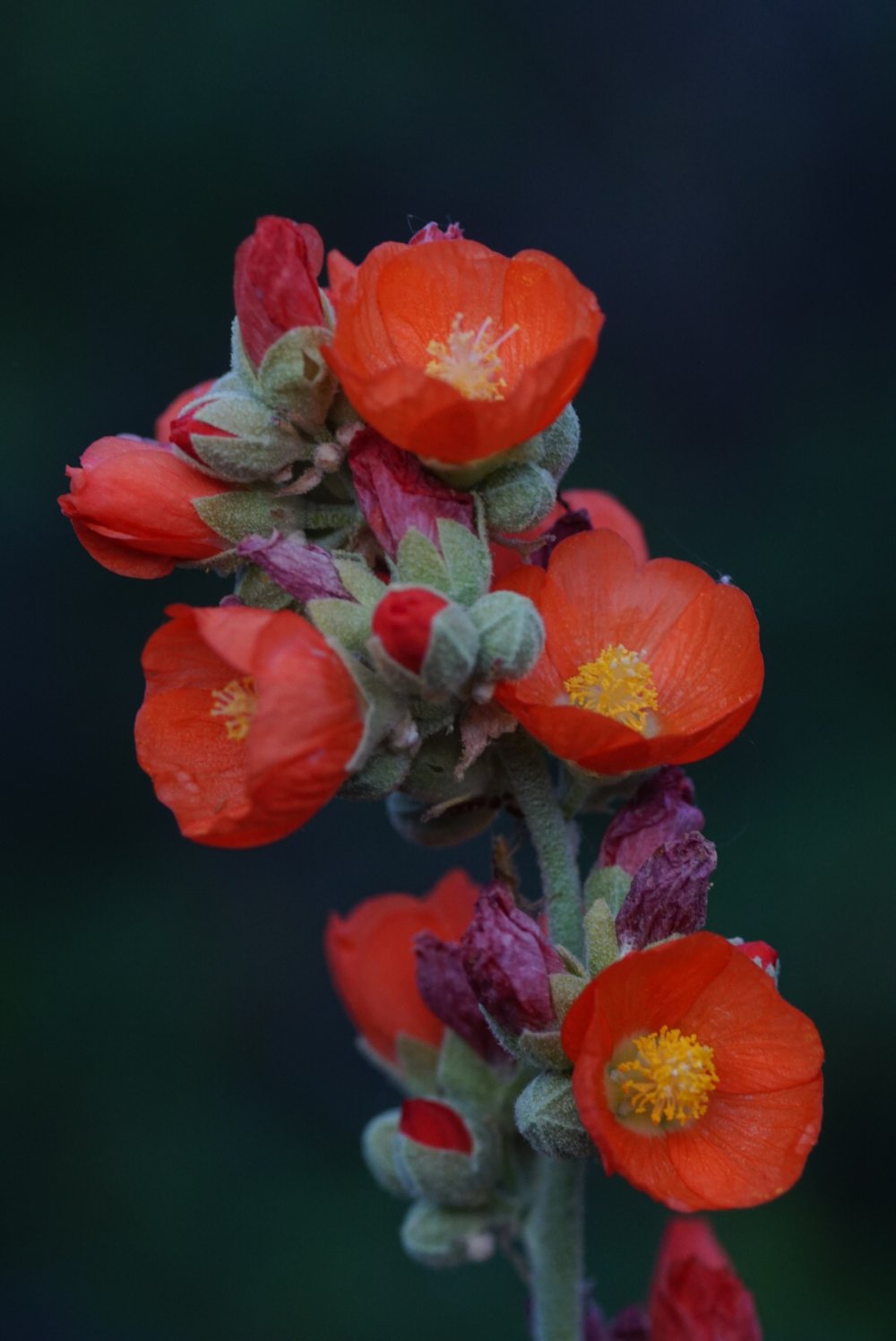
The reserve's uplands are home to the ground-nesting burrowing owl (which often moves into old tortoise and rodent burrows), the kit fox - North America's smallest fox - plus banded geckos, chuckwallas, sidewinders, bright globemallow, and ancient creosote, some clones of which are among the oldest living things on the planet.
Land ownership, and why the HCP isn't the whole story
Much of Greater Moe's Valley sits on state trust land managed by the Utah Trust Lands Administration (TLA, formerly SITLA). By law, trust lands are managed to generate revenue for beneficiaries such as Utah's public schools.
Because of that revenue mandate, these parcels can be leased or sold for development regardless of whether the area is included in the Washington County Habitat Conservation Plan (HCP). Inclusion in the HCP provides a management and mitigation framework for the desert tortoise and other listed species, but it does not by itself change the underlying ownership or the trust's obligation to its beneficiaries. In other words, trust-land ownership carries a potential for future development that exists independently of the area's HCP status.
The HCP was first approved in 1996 and most recently restated and amended in 2020; it is administered locally by the Washington County HCP Administration. You can read about the current plan and the Red Cliffs Desert Reserve at redcliffsdesertreserve.com, and the amended plan itself is available from the U.S. Fish & Wildlife Service.
Protecting the climbing protects all of this
The same gypsum flats and creosote slopes that hold the boulders and trails are what these species need to survive. Keep them public and intact, and you keep the whole community.
Conservation statuses reflect U.S. Fish & Wildlife Service listings and the Washington County Habitat Conservation Plan. The Gila monster is protected under Utah state law but is not federally listed. Treat all species as potentially present and confirm through current agency survey; species should never be handled or disturbed.